



GPS faculty share their reading picks, covering everything from books about San Diego surfing to the flight (and failure) of the Concorde
The days are longer, the Pacific Ocean is warmer to swim in and the end of the academic year is in sight. To ring in summer 2026, here are the reading picks of faculty members at the UC San Diego School of Global Policy and Strategy (GPS). Our professors offered up selections ranging from literary fiction to history and analyses of current events, so there’s something for everyone — including students looking to ease their brain activity after finals season.
Emily Aiken

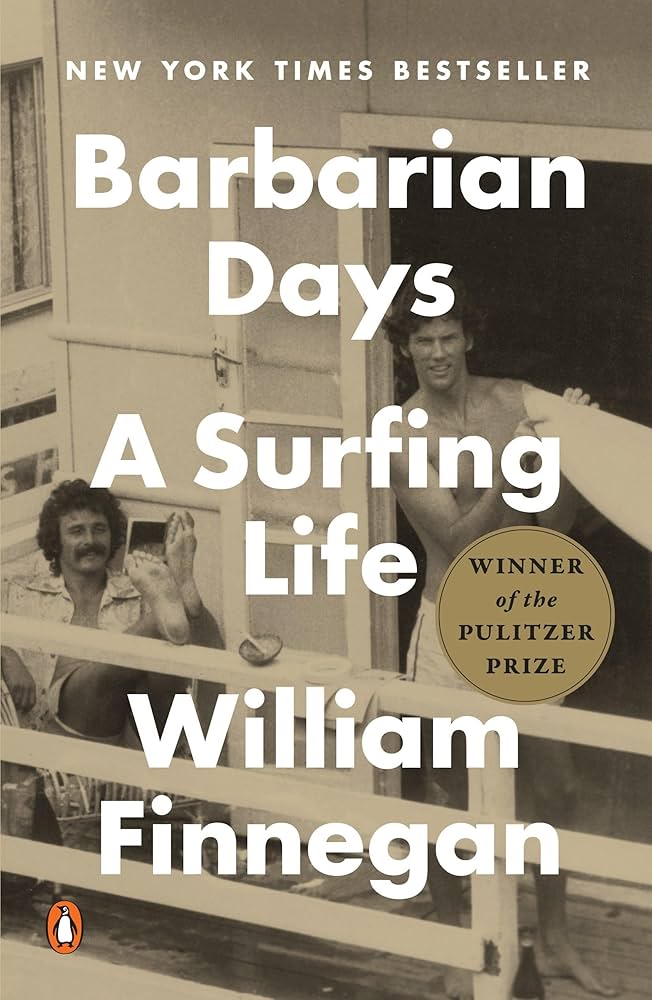
I’d recommend “Barbarian Days” by William Finnegan. It’s a great San Diego book because it’s about surfing. But it’s also about living in different parts of the world, a bit about postcolonial dynamics, and a lot about being obsessed with the outdoors. It’s a bit old now — it won the Pulitzer Prize for biography/autobiography in 2016.
Samuel Bazzi
I’m currently reading two books that speak to some of my broader interests in exploration, frontiers, religious crossroads and nation building.
I’ve been drawn to “Undaunted Courage: Meriwether Lewis, Thomas Jefferson, and the Opening of the American West” by Stephen E. Ambrose. It captures exploration not just as adventure but as part of a larger political project: the expansion of state authority, the mapping of frontiers and the incorporation of distant territories into a national imagination. This book makes the Lewis and Clark expedition vivid and human, while also showing how deeply it was tied to Jefferson’s vision of the American republic.
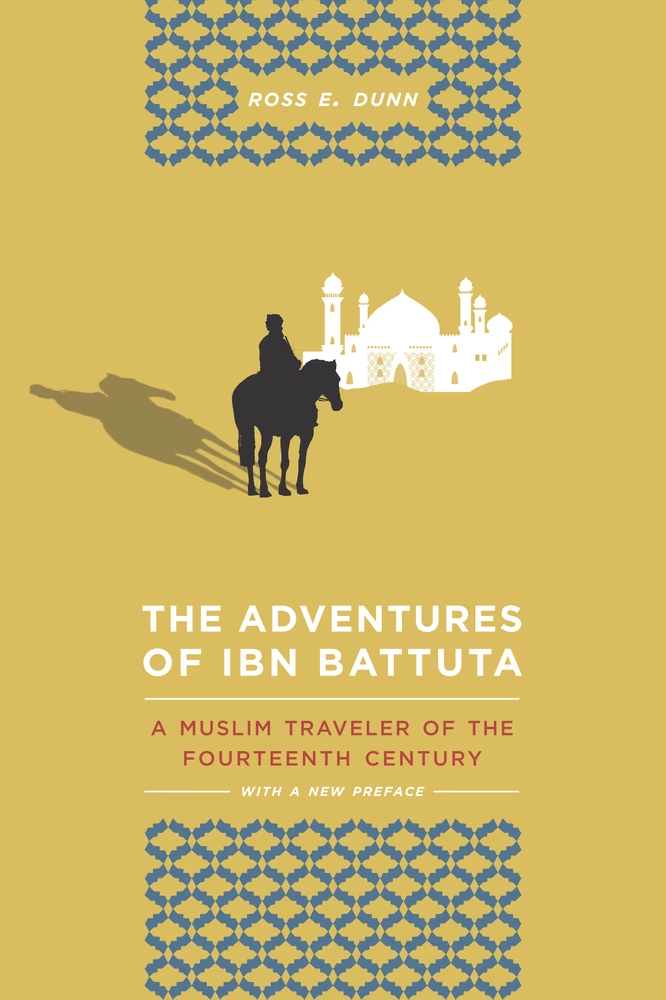
I’m also reading “The Adventures of Ibn Battuta: A Muslim Traveler of the Fourteenth Century” by Ross E. Dunn. Ibn Battuta’s journeys offer such a different but equally fascinating perspective on travel, empire and connection across space. This book brings to life the religious, cultural and political crossroads of the medieval Islamic world, showing how networks of faith, law, commerce and scholarship linked far-flung societies long before the modern era.


Eli Berman
Two remarkable books I hesitate to recommend only because they are so emotionally demanding: Rachel Goldberg-Polin’s “When We See You Again” tells the heroic, heartbreaking story of a family’s uncompromising effort to save their son.
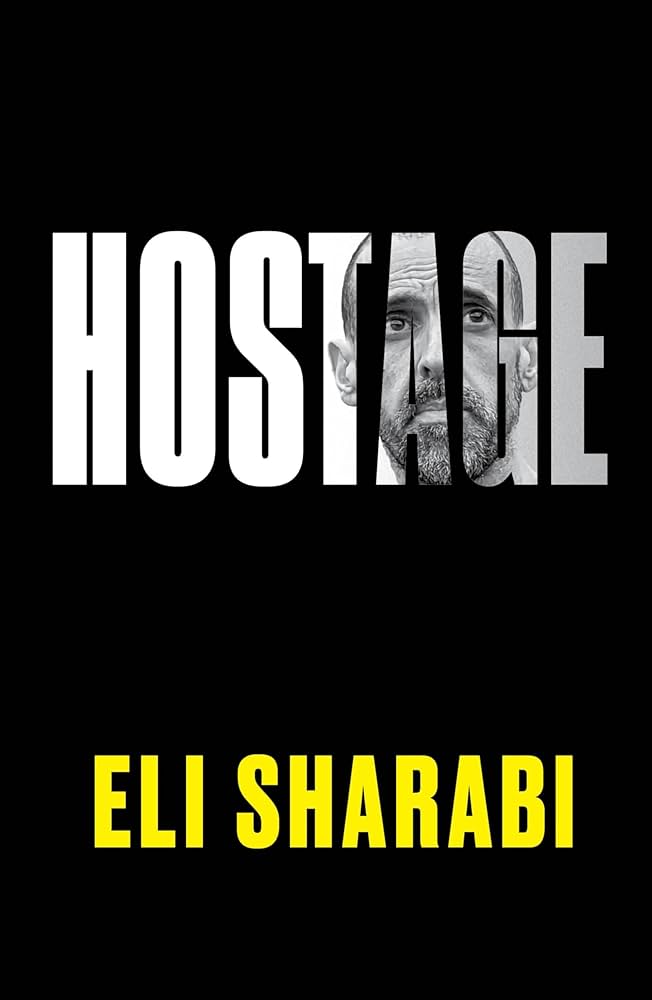
Intertwined with this is Eli Sharabi’s “Hostage.” He describes how captives endured psychologically — including how Rachel Goldberg-Polin’s son, Hersh, helped them. Hersh’s insight came from “Man’s Search for Meaning” by the psychologist Victor Frankl. I read Frankl in my twenties and revisit it now and again. We all like to believe that if faced with the overwhelming we would have the inner strength to respond as the authors did.


Anna Feuer

I’m reading “The Beauty and the Sorrow: An Intimate History of the First World War” by Peter Englund. The book reconstructs the experiences of 20 ordinary men and women over the course of the war based on their diaries and letters. Many books about World War I are focused on the Western Front, but “The Beauty and the Sorrow” vividly captures the global scope of the war: The characters include an Italian trooper fighting in extreme Alpine terrain, a Venezuelan volunteer fighting for the Ottomans, a German school girl and an Australian woman serving as a driver in the Serbian army.
Alexander Gelber

I’m reading “Sol Price: Retail Revolutionary and Social Innovator,” a biography of the local San Diego entrepreneur who started Price Club, which was an early rival of Costco and eventually got bought by the latter. It’s a fascinating and inspiring story!
Elizabeth Lyons


I recommend “The Highest Exam: How the Gaokao Shapes China” by my GPS colleague Ruixue Jia and Hongbin Li, with Claire Cousineau. This book conveys the nuance and complexity of providing public education in different contexts and the interplay between culture and educational systems in China and the U.S. The authors’ personal experiences growing up in China were fascinating in their own right and help frame the research they discuss. I found it hard to put this book down.
David Victor
Sebastian Mallaby is one of the best economic historians of our era and a skilled biographer. His newest book, “The Infinity Machine,” is a biography of Demis Hassabis — a wunderkind chess master and game inventor, and a pioneer in AI — along with his company, DeepMind. Mallaby masterfully introduces key concepts in AI and uncovers how the arms race to artificial general intelligence is accelerating.
For pilots, Concorde was an awesome achievement. For analysts of government, it was a horror show of massive subsidies allocated to an industry that never scaled. Mike Bannister dreamed of becoming a pilot and succeeded beyond his wildest imagination: taking the top job at British Airways’ Concorde program. His book, “Concorde: The Awe-Inspiring True Story of the World’s Greatest Airplane from Inside the Cockpit,” is part autobiography, part tutorial on business.
He discusses why British Airways’ Concorde turned a profit (but for the original cost of the planes), while Air France never escaped financial incompetence. Bannister, too, shows why the standard view of the Concorde crash in Paris is probably wrong — and what that says about government’s ability to investigate as well as an airline’s ability to assure safety.


Visit our faculty page to see GPS professors’ research and teaching interests.