

Faculty share reading picks for the coldest months of the year, including a Native American retelling of U.S. history and two novels from a UC San Diego alumna
The winter academic quarter is in full swing at UC San Diego’s School of Global Policy and Strategy (GPS), which means that students and faculty members alike are immersed in studying ways to solve problems with policies that are informed by economics, climate science, foreign affairs and studies of democratic governance.
But even while GPS professors are conducting pioneering research, they still find time to cozy up with books in their free time. Here are their recommendations for getting through the cold (or, here in Southern California, slightly chilly) winter months.
Emily Aiken
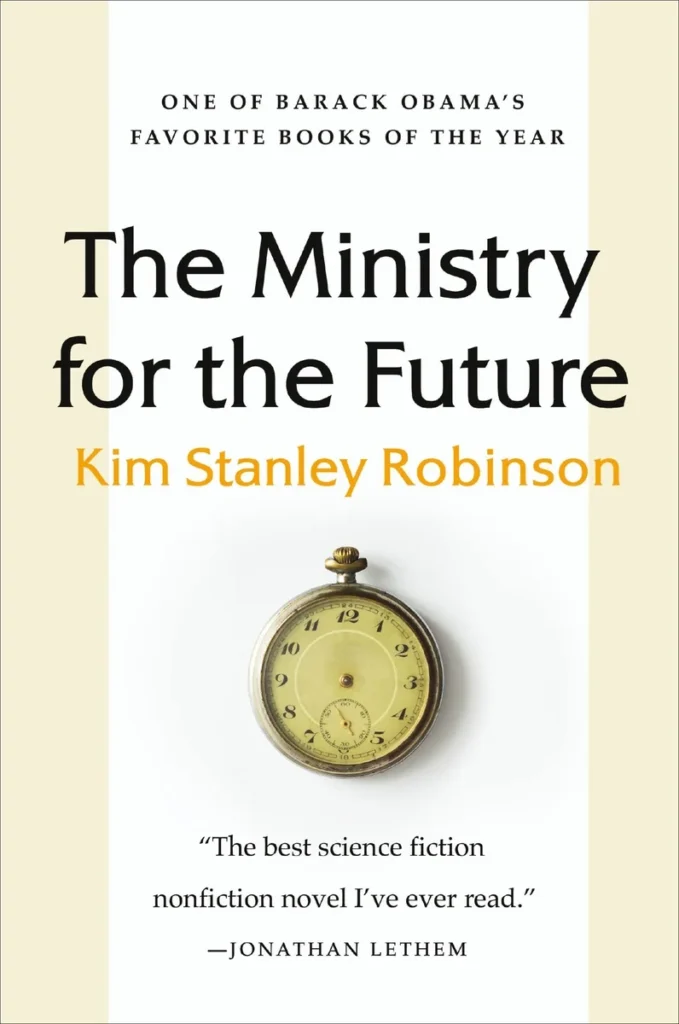
I would recommend two (fairly different) books by Kim Stanley Robinson: “The Ministry for the Future” and “The High Sierra.” The first is an interdisciplinary utopian account of how we just might be able to mitigate the climate crisis if we act now, and it’s also a great story and an easy read. The second is all about Robinson’s life in the California mountains, bringing in lots of perspectives, ranging from stories of his backpacking trips to discussions of geology, historical accounts of the exploration of the Sierra and gear recommendations. To me, these are both great California books — plus, Robinson is a UC San Diego alum!

Eli Berman
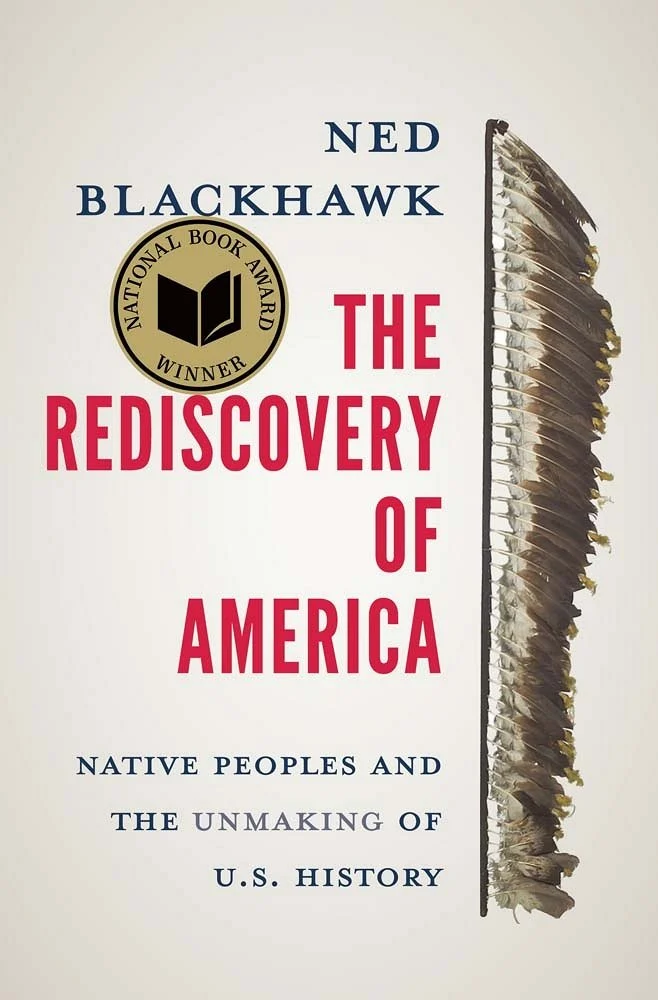
Ned Blackhawk’s “The Rediscovery of America: Native Peoples and the Unmaking of U.S. History” fundamentally changed my understanding of the continent I grew up on. It starts with a very modern analysis of the new geopolitical challenges faced by leaders of different native nations when the French, Spanish and British arrived. That hooked me. Then, he proceeds through the present, retelling U.S. history from a Native American perspective. Now I understand why San Diego has preserved more distinct native peoples than any other U.S. county, for instance.
Jesse Driscoll
This winter, my bedside reading is “The Price of Admiralty: The Evolution of Naval Warfare” by John Keegan, an analysis of how naval power, command decisions and institutional culture have shaped our modern world. I’m currently enmeshed in the German-British naval planning prior to the decisive sea battle of the First World War (Jutland).
As someone whose World War I tropes involve massed infantry assaults, railroads, gas, trenches, artillery war and the rest, this is all new to me. Keegan emphasizes that just like on land, much of the story is the pre-war arms race: German submarine advances, British codebreaking and the like. The “action” is concentrated at sea, with German decisions about when and how to risk hideously expensive weapon platforms to break the blockade, but Keegan also takes the reader into the plaster-walled planning rooms a decade or two earlier. Great stuff.
Anna Feuer

I’m reading “Call It Sleep,” a modernist novel by Henry Roth, published in 1934. It is a wonderfully vivid account of Jewish immigrant life on the Lower East Side in the early 20th century. What distinguishes the novel is Roth’s deep sensitivity to the perspective of his protagonist, a 6-year-old boy.
Alexander Gelber
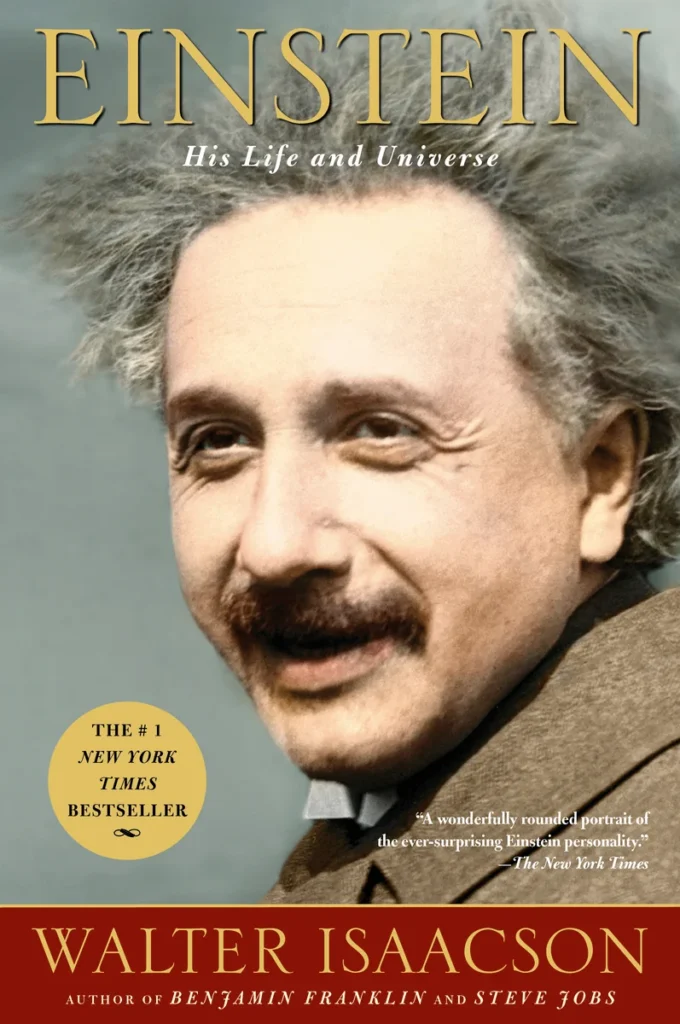
I recently read “Einstein: His Life and Universe” by Walter Isaacson. It makes Einstein’s ideas understandable without oversimplifying them, and it connects Einstein’s scientific breakthroughs to his personality, relationships and historical context.
Ellis Krauss
In “Vermeer’s Hat: The Seventeenth Century and the Dawn of the Global World,” the Canadian historian Timothy Brook uses the 17th-century Dutch painter Vermeer to trace the globalization of world trade, particularly those that involved China. Starting from the artist’s home town of Delft, he identifies products in Vermeer’s paintings — such as porcelain, tobacco and silver — and follows them to their sources to show how they came to be in his environment. It’s an unusual way to analyze a history of prior world globalization.
Then, David Mitchell, one of the U.K.’s most famous comedians and actors (he’s on several TV quiz shows and the new hit series “Ludwig”), takes a humorous, cynical but enlightening tour through Britain’s royal history in “Unruly: The Ridiculous History of Britain’s Kings and Queens.” There are many smiles and a few “LOLs” along the way, but also revelations you may not have known about the strange and often bloody history of the monarchy.


Krislert Samphantharak
“The Golden Road: How Ancient India Transformed the World” is the latest book by William Dalrymple, a renowned historian and author on India, and also a co-host of the podcast “Empire,” which I follow. In this book, Dalrymple traces the spread of Indian arts, religions, technology, astronomy and mathematics along what he calls the Golden Road, which stretches from the Red Sea to the Pacific. He argues that the importance of this Indocentric maritime East-West linkage has been overshadowed by the Sinocentric inland Silk Road. I find this book very effective at connecting historical events that occurred at the same time across different locations, a cross-sectional dimension of history that is usually absent in history books that follow the chronological order of events in each territory.
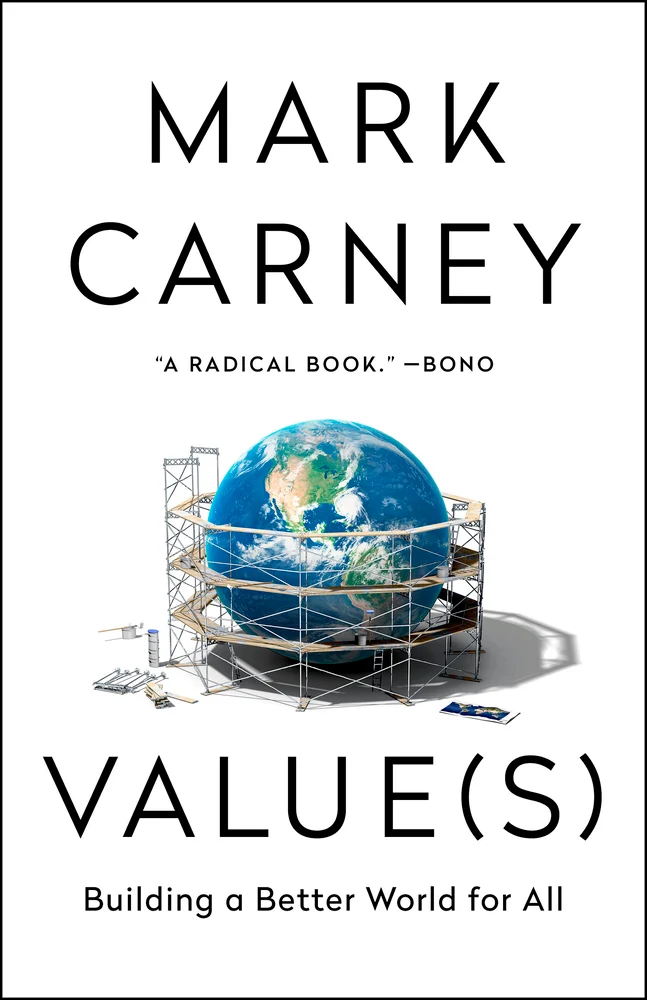
“Value(s): Building a Better World for All” is written by an extraordinary author. Mark Carney was a managing director at Goldman Sachs and a governor of two (!) central banks (the Bank of Canada and the Bank of England), and he is the current prime minister of Canada. In this book, Carney examines market value and values of society, which are distinct but related. He draws on his experience navigating the three crises of the 21st century (credit, COVID and climate) and argues that these crises reflect a common challenge: a crisis of values, in which market valuation dictates society without incorporating other aspects of humanity. I find this book influential, as it examines how the market system fails, from the perspective of someone who has extensive experience leading both private and public institutions in the market-driven financial sector.

Mateo Vásquez-Cortés
Two books I enjoyed and that may resonate with some students are “The Anthropologists” by Ayşegül Savas and “Perfection” by Vincenzo Latronico. Both follow foreign couples navigating life abroad, starting from a sense of excitement and possibility and then tracing how that experience evolves in different, unexpected ways. While different in tone, both explore the mundane, everyday aspects of connection and belonging.


Learn more about the school’s faculty members.
